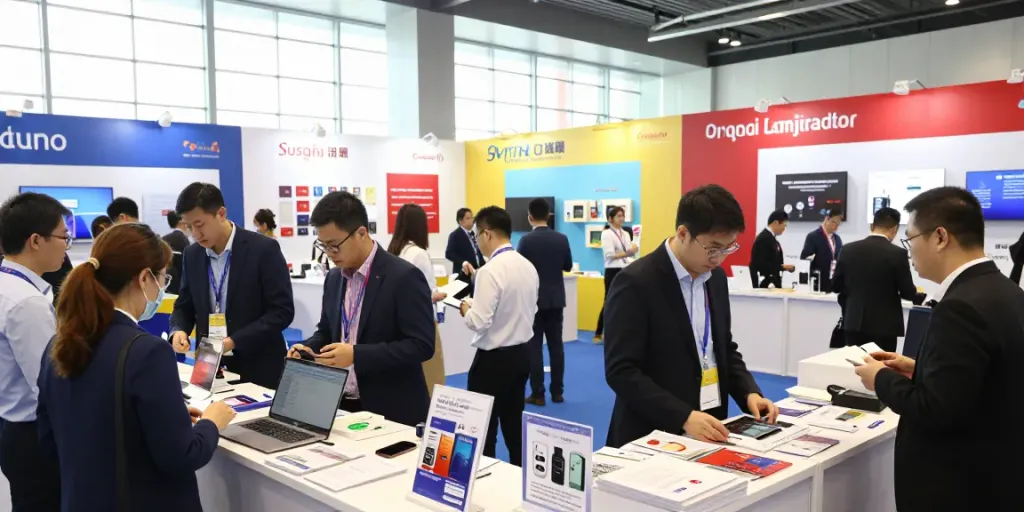
Understanding the Role of Exposants in Modern Trade Shows
Exposants play a pivotal role in the success of trade shows, functioning as the bridge between businesses and potential customers. These exhibitors display products, services, and innovations, providing attendees with a unique opportunity to engage directly with brands. The impact of exposants extends beyond mere exhibition; they set the tone for the event, create dynamic interactions, and contribute significantly to the overall visitor experience. This article delves into the multifaceted role of exposants, exploring their importance, the variety they bring to events, and how they enhance the industry landscape. For more detailed information about the various exposants participating in global trade shows, consider visiting Exposants.
What are Exposants and Their Importance?
In essence, exposants are entities that present their products or services at trade shows, exhibitions, or conventions. They can be manufacturers, service providers, distributors, or even startups looking to carve a niche in the market. The importance of exposants cannot be overstated; they are crucial for fostering business relationships, generating leads, and enhancing brand visibility. By demonstrating products in person, exposants can showcase their unique selling propositions and directly address potential customer queries.
Moreover, exposants contribute to the educational aspect of trade shows by hosting workshops, panel discussions, and product demonstrations. This not only aids in building brand authority but also enriches the attendees' experience, ensuring that they leave with valuable knowledge and insights.
Types of Exposants and Their Unique Offerings
Exposants come in various forms, each offering unique perspectives and products that cater to diverse audience needs. Here are some common types:
- Product Exhibitors: These exposants showcase tangible goods, allowing visitors to interact with products firsthand. This category includes everything from electronics to fashion.
- Service Providers: These exhibitors represent businesses that enhance customer operations, such as logistics firms, marketing agencies, and financial consultants.
- Startups: Emerging businesses often use trade shows to gain visibility and traction in their respective markets, presenting innovative solutions that disrupt traditional norms.
- Technology Companies: This category is increasingly vital, as tech firms integrate cutting-edge tech into exhibitions to enhance interactivity and engage audiences more effectively.
How Exposants Enhance Visitor Experience
The visitor experience is greatly enriched by the presence and engagement strategies of exposants. Here are several ways they achieve this:
- Interactive Displays: Many exposants invest in interactive booths that allow visitors to engage directly with products, whether through demonstrations, virtual reality, or mobile apps.
- Networking Opportunities: Exposants often establish a welcoming environment for networking, allowing visitors to connect with industry peers, thought leaders, and potential partners.
- Educational Content: Providing seminars, hands-on workshops, and informative brochures, exposants educate visitors about their offerings, enhancing the perceived value of attending the trade show.
- Custom Experiences: Some exposants tailor experiences specifically for target demographics, ensuring that the content resonates with different visitor segments.
Best Practices for Successfully Managing Exposants
Pre-Show Planning: Setting Goals and Objectives
Effective exposant management begins well before the trade show opens. Establishing clear goals and objectives is vital for measuring success and directing efforts. Objectives may include increasing brand awareness, generating a specific number of leads, or introducing a new product to the market. By setting SMART (Specific, Measurable, Achievable, Relevant, Time-bound) goals, exposants can align their strategies and resources effectively.
Engagement Strategies to Attract Attendees to Exposant Booths
Attracting attendees to exposant booths is an art that requires a blend of creativity and strategy. Here are a few effective techniques:
- Unique Booth Design: A visually striking booth that stands out can draw in curious attendees. Consider incorporating unique designs, bright colors, and engaging elements to capture attention.
- Promotional Giveaways: Offering branded merchandise or entry into a prize draw can incentivize visitors to stop by and interact with the team.
- Live Demonstrations: Showcasing products through live demos can create excitement and provide potential customers with a clearer understanding of the product's benefits.
- Social Media Integration: Encourage attendees to share their booth experiences online, perhaps through contests or hashtags, to build online visibility and engagement.
Post-Event Follow-Up: Maintaining Connections with Visitors
The work doesn’t end when the trade show does. It is essential for exposants to maintain connections with visitors post-event. This can be accomplished through a variety of channels:
- Email Follow-Ups: Send personalized emails thanking attendees for visiting the booth and providing additional resources or offers.
- Surveys: Collect feedback from visitors about their experiences, which can help improve future trade shows and better meet customer needs.
- Social Media Engagement: Continue conversations on social media platforms where attendees are active, sharing post-event content and updates.
Common Challenges Faced by Exposants
Overcoming Budget Constraints in Exhibitor Participation
Budget management is a perennial challenge for exposants at trade shows. Costs can escalate quickly, from booth design and construction to travel expenses and promotional materials. To overcome budget constraints, exposants can:
- Plan Early: Early planning allows for better financial allocation and potential discounts on services.
- Prioritize Spending: Focus on high-impact areas such as booth design and promotional materials that generate maximum visitor interest.
- Consider Shared Spaces: Partnering with other companies for booth space can significantly reduce expenses while maximizing exposure.
Dealing with Competition and Differentiating Offerings
In competitive environments, simply being present is not enough. Exposants must differentiate their offerings to stand out. Here are strategies to consider:
- Unique Selling Proposition (USP): Clearly communicate what sets your product or service apart from competitors, emphasizing benefits that unique features offer to potential customers.
- Brand Storytelling: Use storytelling techniques to create an emotional connection with attendees, making your brand more memorable.
- Networking with Influencers: Collaborate with industry influencers who can amplify your message and enhance credibility.
Logistics and Planning Issues at Trade Shows
Logistics can pose significant challenges for exposants, impacting their ability to execute a successful event. Key logistics to address include:
- Space Allocation: Understanding the layout of the venue and strategically placing booths can determine foot traffic flow and visibility.
- Shipping and Handling: Ensure timely delivery of materials and products to the venue to avoid last-minute hiccups.
- Staffing: Adequate staffing is essential for managing the booth effectively. Ensure that team members are knowledgeable and trained to engage with visitors.
Case Studies of Successful Exposant Engagement
Highlighting Innovative Exposants: Success Stories
Numerous exposants have successfully leveraged unique strategies to enhance their presence and engagement at trade shows. For example, a tech company implemented a virtual reality experience that allowed visitors to interact with their software in an immersive environment, resulting in a 40% increase in lead generation compared to previous shows. This innovative approach not only engaged visitors but also provided them with a memorable experience that highlighted the product's features effectively.
Lessons Learned from Top Performers in the Industry
Studying top-performing exposants offers valuable insights into successful strategies. Key lessons include:
- Invest in Training: Well-trained staff can make a significant difference in visitor engagement and conversion rates.
- Measure Success: Collect data on visitor interactions and lead generation to assess the effectiveness of various strategies and make informed improvements for future events.
- Incorporate Feedback: Adapt strategies based on attendee feedback to continually enhance the exposant experience and meet audience needs.
The Impact of Technology on Exposant Success
Technology is redefining the landscape of trade shows and exposants' engagement strategies. Tools such as mobile apps, interactive kiosks, and augmented reality exhibits enhance interactivity and provide attendees with enriched experiences. For instance, using a mobile app to facilitate booth exploration allows visitors to schedule meetings, access product information, and receive push notifications about booth activities, maximizing their engagement during the event.
Future Trends for Exposants in 2026 and Beyond
Emerging Technologies Transforming Exhibitor Strategies
The trade show landscape is evolving rapidly, with technology driving change. By 2026, we can expect to see:
- Virtual and Augmented Reality: These technologies will become commonplace, providing more immersive experiences that allow visitors to interact with products in novel ways.
- Artificial Intelligence: AI will help exposants analyze data to tailor experiences and communicate more effectively with prospective clients.
- Sustainable Practices: As environmental concerns grow, exposants will increasingly adopt sustainable practices, from eco-friendly materials to reducing waste during events.
Changing Visitor Expectations and How to Adapt
As visitor expectations shift, exposants must adapt to meet new demands. Modern attendees seek personalized experiences and seamless interactions. Strategies for adaptation include:
- Data-Driven Personalization: Utilize data analytics to understand visitor preferences and tailor engagements to individual needs.
- Enhanced Connectivity: Implement advanced networking solutions that facilitate interactions among attendees and exhibitors, such as matchmaking apps.
- Content-Rich Experiences: Focus on delivering valuable content that informs, educates, and entertains, ensuring that visitors feel their time is well spent.
Predictions for Exposant Participation in Growing Industries
Several industries are set to experience significant growth, which will undoubtedly influence exposant participation. Key sectors include:
- Technology and IT: With ongoing advancements, tech firms will likely dominate trade shows, showcasing innovations in AI, cybersecurity, and digital transformation.
- Green Technology: As sustainability becomes a priority, exposants in renewable energy, waste reduction, and eco-friendly products will gain prominence.
- Healthcare: The healthcare industry, especially in telehealth and biotechnology, will see increased exposant activity as companies strive to address evolving patient needs and regulatory changes.
What makes an exposant successful?
A successful exposant effectively combines innovative product offerings, engaging displays, well-trained staff, and targeted marketing strategies to create memorable experiences for attendees. Understanding the audience and adapting to their needs is key to standing out in a competitive landscape.
How can businesses prepare for their exposant participation?
Preparation involves strategic planning that includes setting clear objectives, designing impactful booth layouts, developing compelling marketing materials, and training staff effectively to ensure they can engage visitors confidently.
What are the best engagement strategies for exposants?
Exposants can enhance engagement by utilizing interactive technologies, offering valuable content, incentivizing booth visitations with giveaways, and fostering a welcoming environment for networking and inquiry.
Why is follow-up important after the trade show?
Follow-up is crucial for converting leads into clients. By maintaining communication with attendees post-event, exposants can deepen relationships, gather feedback, and further nurture connections to drive future business opportunities.
What technologies are important for exposants in 2026?
Key technologies for exposants in 2026 will likely include augmented and virtual reality solutions for enhanced engagement, AI for data analysis and personalization, and mobile apps for seamless visitor interactions and networking opportunities.